You buff. You file. You polish. Yet within two days, your nails look dull, chips appear at the edges, and ridges resurface like ghosts you can’t exorcise. The problem isn’t your polish—it’s what you’re doing (or not doing) before you even crack open that bottle. A nail surface smoother isn’t just another tool; it’s the hidden foundation of longevity and luster.
The Myth of “Good Enough” Buffing
Most at-home manicurists stop after basic filing—maybe a quick pass with a generic buffer block. But human nails aren’t flat planes. They’re topographies of micro-ridges, oily patches, and uneven keratin layers. Skip proper surface prep, and you’re essentially painting on cracked concrete.
And here’s the kicker: traditional buffers often worsen the issue. Coarse grits tear instead of smooth. Foam pads compress under pressure, creating inconsistent contact. The result? Micro-tears that trap air, oil, and bacteria—accelerating lift and breakage.
How to Use a Nail Surface Smoother Like a Pro
Forget one-size-fits-all routines. Precision matters. Below is the exact 4-step method salon techs won’t tell you—but rely on daily.
Select the Right Grit Sequence
Start coarse (180–240 grit) only if ridges are pronounced. Most users over-sand. For maintenance, jump straight to 400 grit. Finish with 1000+ for optical-level gloss. The goal isn’t abrasion—it’s controlled refinement.
Angle & Pressure Are Non-Negotiable
Hold the buffer at a 45-degree angle—not flat against the nail. Use feather-light pressure. Let the grit do the work. Pressing hard = heat + friction = brittle nails. Period.
Clean Between Passes
Nail dust clogs grit instantly. Wipe the buffer pad with alcohol or replace disposable strips every 2–3 nails. A clogged buffer is worse than no buffer—spreading debris instead of removing it.
| Method | Efficacy for Smoothing | Risk of Damage | Longevity Boost |
|---|---|---|---|
| Basic Emery Board Only | Low | Moderate | 0–2 days |
| Multi-Sided Buffer Block (Random Use) | Medium | High | 3–5 days |
| Staged Nail Surface Smoother (Correct Grit Progression) | High | Very Low | 7–14 days |
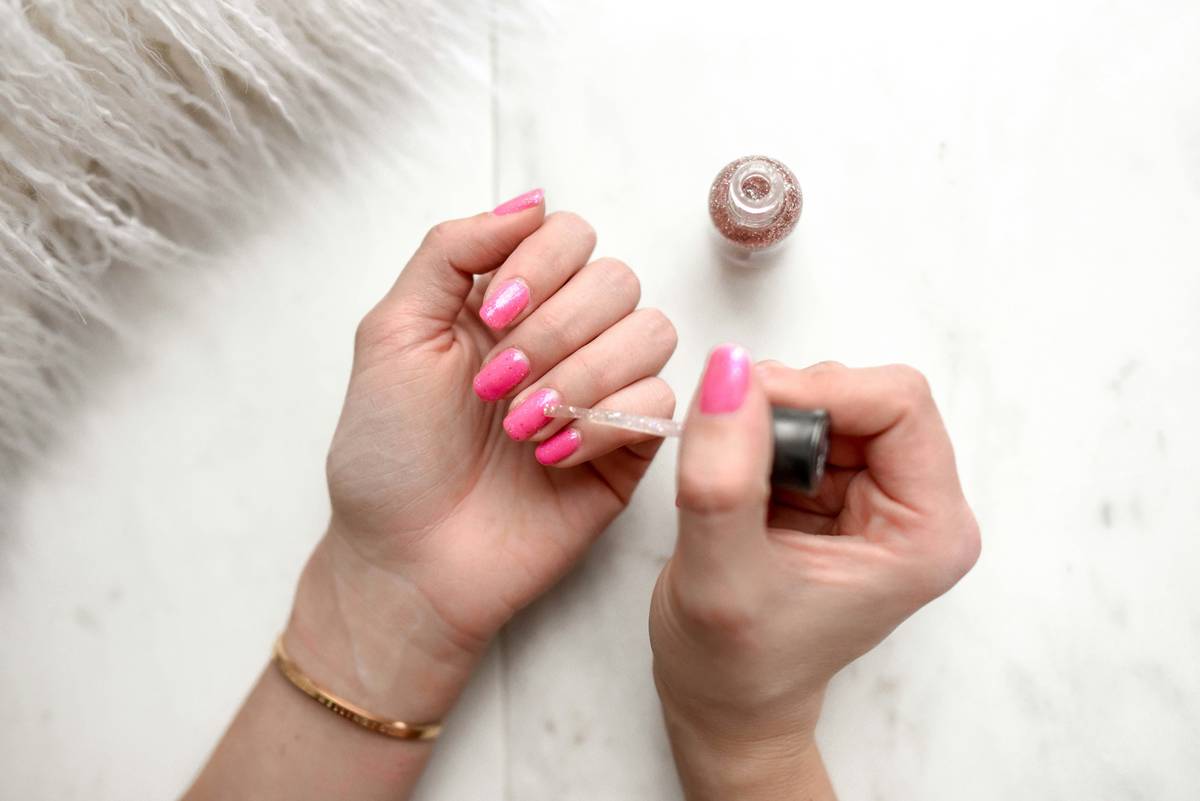
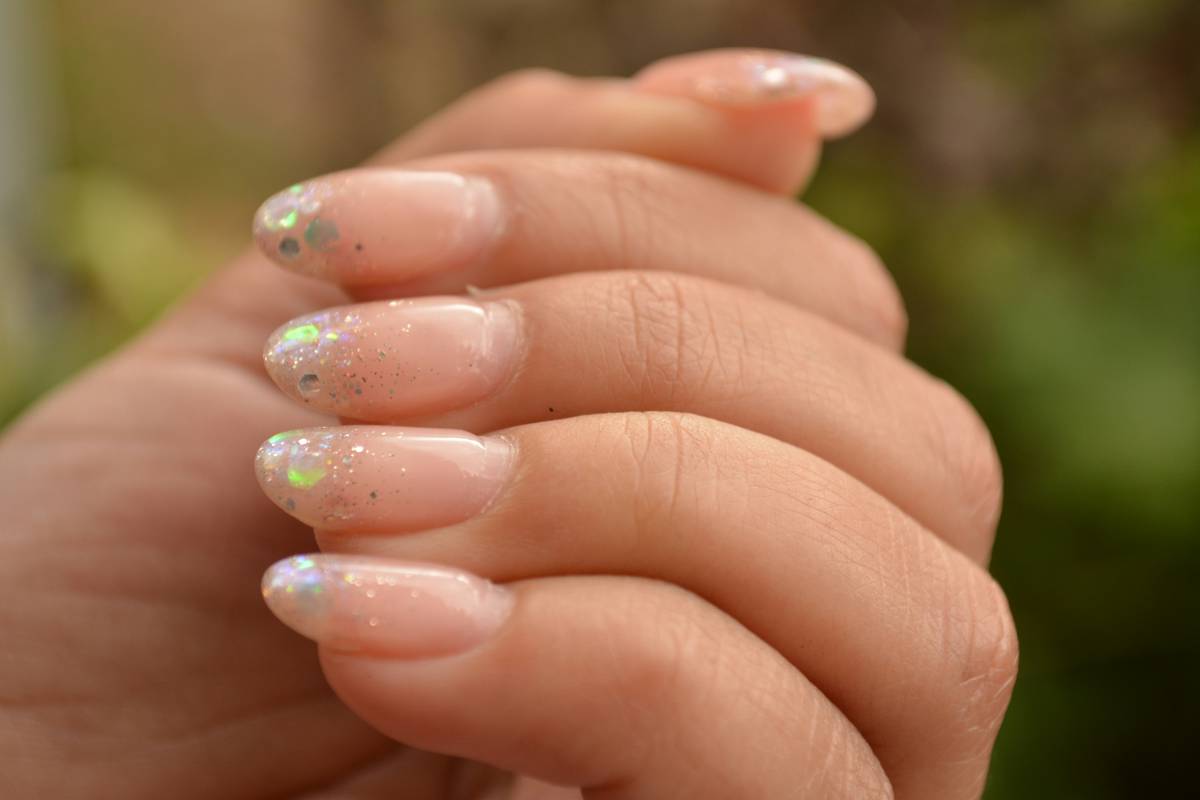
This controlled technique transforms the nail into a polished canvas—not just smoother, but optically reflective. That’s why gel and dip powders last longer: adhesion starts with geometry.
The Industry Secret: Buff Less, Smooth More
Here’s what top nail artists quietly admit: over-buffing dehydrates the nail plate, triggering oil production as a defense mechanism. And oil = enemy of adhesion. The real secret? Use a nail surface smoother only once every 10–14 days—never before each polish change. Between manicures, stick to cuticle oil and hydration. Think about it: you wouldn’t sand your hardwood floors weekly; why treat your nails like raw lumber?
The math is simple: less mechanical trauma → healthier nail matrix → naturally smoother growth. Your buffer isn’t a fixer—it’s a maintainer.
Frequently Asked Questions
Can I use a nail surface smoother on acrylics or gels?
Only on natural nails. Buffing enhancements thins them prematurely. If smoothing is needed post-soak-off, wait 24 hours for rehydration first.
Does a nail surface smoother replace base coat?
No. It prepares the physical surface; base coat seals and bonds. Skipping either compromises wear time drastically.
How often should I replace my buffer?
Disposable pads: every 5–7 uses. Reusable blocks: when grit feels slick or leaves gray residue—usually 2–3 months with weekly use.