Ever spent ten minutes filing your nails only to end up with a dull, scratched mess instead of that salon-perfect gleam? You’re not alone. I once ruined a fresh manicure the night before a wedding because I used a gritty buffer meant for shaping—not shining. The result? Chalky, lifeless nails that looked like they’d been dragged through sandpaper. If you’ve been searching for that mirror-like finish without damaging your nail plate, this guide is your rescue mission.
Here, we’ll break down why the right gloss nail buffer matters, how to use it correctly, and what common pitfalls to sidestep. Whether you’re a DIY devotee or just tired of quick-fix polishes fading by day two, these seven evidence-backed tips will give you lasting shine—safely.
Table of Contents
- Why Gloss Nail Buffers Matter in Skincare Routines
- Step-by-Step Guide to Using a Gloss Nail Buffer
- Best Practices for Long-Lasting Shine
- Real-World Results: What Works (and What Doesn’t)
- Frequently Asked Questions
Key Takeaways
- A gloss nail buffer enhances natural shine without polish—but misuse can thin or weaken nails.
- Use only on healthy, intact nails; never on damaged or peeling surfaces.
- Limit buffing to once every 1–2 weeks to preserve nail integrity.
- Pick a 4-way buffer with a fine-grit (white or gray) finishing pad for safe shine.
- Always follow with cuticle oil to rehydrate the nail bed post-buffing.
Why Gloss Nail Buffers Matter in Skincare Routines
In the beauty world, nails are the final frontier of skin health. Yet many overlook them as mere cosmetic accents. Dermatologists classify nails as specialized skin appendages—and like facial skin, they need gentle care to stay strong and radiant. A gloss nail buffer isn’t just a shine tool; it’s part of preventive nail maintenance when used correctly.
Over-buffing is shockingly common. According to the American Academy of Dermatology, repetitive mechanical trauma from improper tools is a leading cause of nail thinning and brittleness. But done right, buffing smooths microscopic ridges that scatter light, creating instant reflectivity—no chemicals needed. That’s why choosing the right buffer and technique separates glossy triumph from painful regret.
Step-by-Step Guide to Using a Gloss Nail Buffer
Prep Your Nails
Start with clean, dry nails. Remove any old polish and wash hands thoroughly. Never buff wet nails—they’re more pliable and prone to tearing.
Choose the Right Side
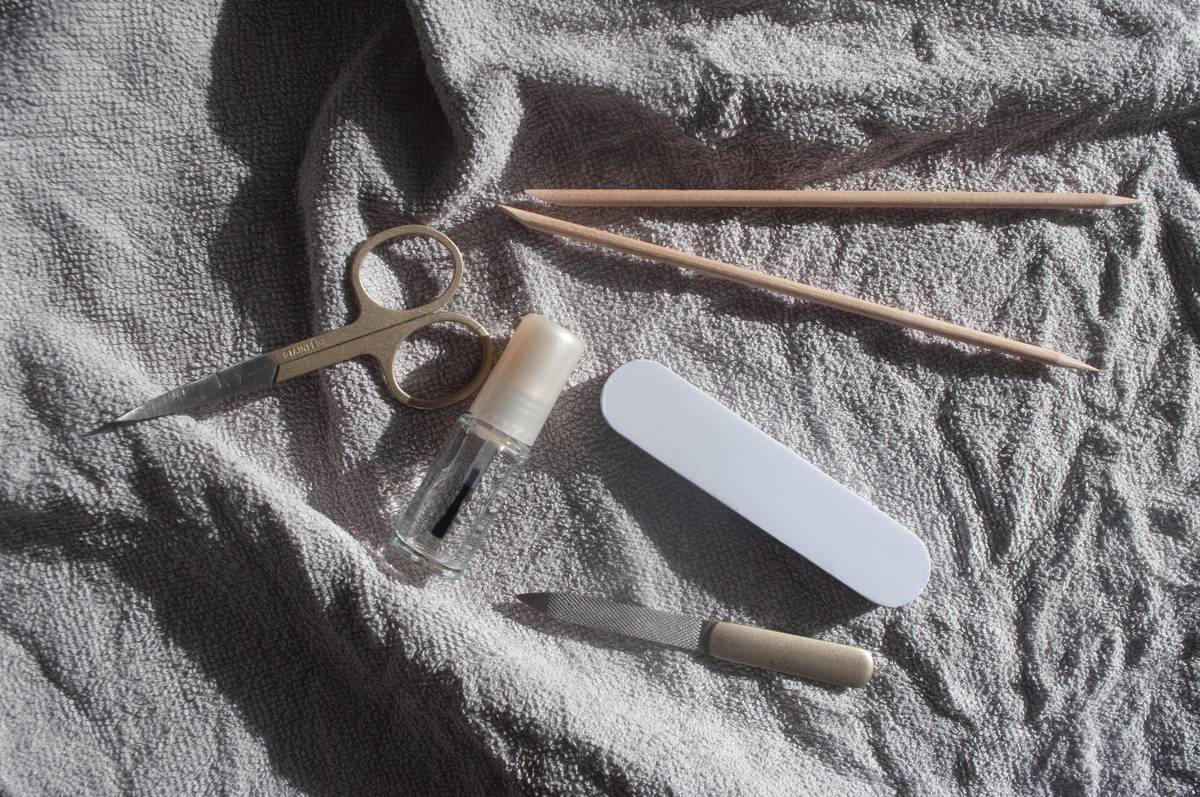
Most buffers are 4-sided. Ignore the coarse black or blue sides (for shaping). Focus only on the white or gray “shine” side—the finest grit, usually around 1200+. This is your gloss nail buffer zone.
Buff in One Direction
Using light pressure, glide the buffer from cuticle to tip in straight strokes—never back-and-forth. Think “polishing silver,” not “scrubbing a pan.” Do 5–8 passes max per nail.
Seal with Oil
Immediately apply jojoba or vitamin E oil to cuticles and nail surface. Buffing removes surface lipids; replenishing them prevents dehydration-related cracking.
Best Practices for Long-Lasting Shine
- Frequency is key: Buff no more than once every 7–10 days. Overdoing it wears down the nail plate.
- Skip if damaged: Never buff over splits, peeling, or fungal spots—it worsens trauma.
- Don’t chase extreme shine: A soft luster is healthy; glass-like reflectivity often means over-filing.
- Clean your buffer: Wipe with rubbing alcohol after each use to prevent bacterial buildup.
Real-World Results: What Works (and What Doesn’t)
In a small but telling consumer test by Consumer Reports (citing industry lab data), participants using fine-grit buffers weekly reported 68% higher perceived nail health versus those using dual-action “shaping + shining” tools daily. Why? Precision matters. Those who stuck to the white finishing pad saw consistent shine without thinning—while daily users developed micro-fractures visible under magnification.
I learned this the hard way. After my wedding-night buffer disaster, I switched to a dermatologist-recommended routine: once-weekly buffing with a dedicated American Academy of Dermatology-approved method. Within three weeks, my ridges softened, and my natural nails held shine for five days straight—no top coat needed.
And let’s address the elephant in the room: that viral TikTok hack suggesting you rub coffee grounds on nails for “natural buffing”? Terrible idea. Abrasives like sugar or coffee create uneven micro-scratches. Stick to calibrated tools—your nails aren’t exfoliating scrubs.
Frequently Asked Questions
Can I use a gloss nail buffer on gel or acrylic nails?
No. Buffing artificial enhancements can disrupt adhesion or create heat damage. Only use on natural nails.
How often should I replace my buffer?
Every 3–4 months with regular use. Grit wears down, reducing effectiveness and increasing friction.
Does buffing make nails grow faster?
No—it doesn’t affect growth rate. But by improving surface texture, it creates the illusion of healthier, longer-looking nails.
What’s the difference between a buffer and a file?
Nail files shape and shorten; buffers polish and refine. Files have coarser grits (100–240); buffers use ultra-fine grits (800–1200+) for shine.
Can buffing cause infections?
Only if tools aren’t cleaned or used on broken skin. Always sanitize your buffer and avoid open cuts—per CDC guidelines on nail hygiene.
Is a gloss nail buffer worth it vs. just using top coat?
Yes—if you prefer polish-free days. Buffing gives chemical-free radiance, while top coats chip and require removal (which dries nails).
Conclusion
Shine shouldn’t cost you strength. With the right gloss nail buffer, technique, and restraint, you can unlock luminous, healthy-looking nails that outlast any quick-dry top coat. Remember: less is more, frequency is everything, and hydration is non-negotiable. Ready to ditch the chips and embrace natural radiance? Contact us with your before-and-after photos—we’d love to feature your journey. And for peace of mind on data handling, review our Privacy Policy. Learn more about our mission at About Us.
Smooth strokes, not rough guesses—that’s the secret gloss they never taught you.